
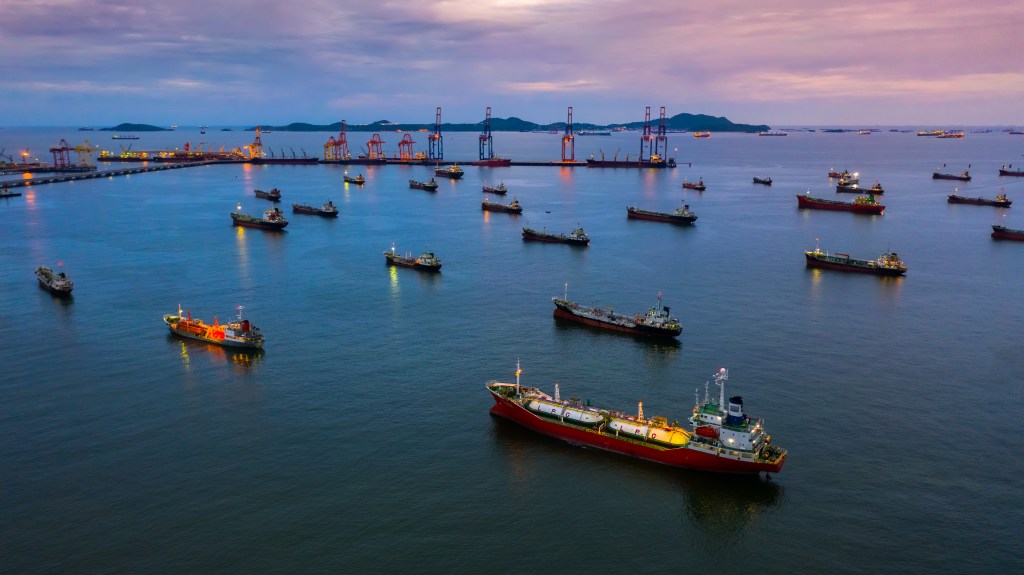
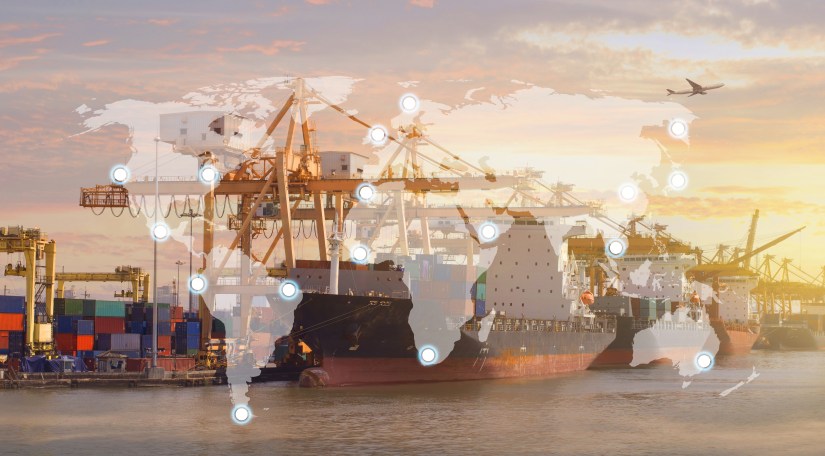
If you are a consumer like me, then you are well aware that there has been an ever-increasing shortage of products on the shelves of your local stores, supermarkets and even online. Things that you’re used to purchasing at will like, cleaning products, toiletries, vegetables, and even car parts have been disappearing at an alarming rate. This is due to the global effects of the shipping and manufacturing crisis that has been going on since 2018. To give you a more in-depth explanation on exactly what this means for you and your family’s future, I’ve included a few helpful articles to shed some light on exactly what is going on.
Forbes
Overdependence On Asia
U.S. manufacturing’s longstanding reliance on Asia-based factories has created an overreliance on foreign-produced goods. Delays, rising freight rates, port congestion and pandemic public health rules have strained Asian manufacturers, exposing how overreliance on foreign production can risk the entire supply chain.
In the LED lighting industry where my company operates, I’ve seen many companies facing pandemic-related shortages scrambling to find domestic manufacturers who can temporarily produce hardware until the supply chain problems ease. The problem? The supply chain hasn’t improved, and customers want answers from their partners. https://www.forbes.com/sites/forbesbusinesscouncil/2022/07/13/how-the-supply-chain-crisis-is-changing-domestic-manufacturing-strategies/?sh=3d14a1e47410
World Economic Forum
Third, the environmental impact of logistics and supply chain activities is beginning to be more widely understood. If countries around the world are to meet their emissions targets and commitments, it is key that they develop more sustainable supply chain practices. Glasgow’s COP26 in November had a strong focus on transport including freight and logistics. Business as usual is simply no longer an option if a sustainable future is to be achieved.
But uncertainty is a characteristic of the international business landscape in which supply chains operate. As a result, major companies have become strongly focused on supply chain risk management. This means identifying where risks of any kind exist in the network, assessing the potential impact of these risks, and putting mitigation strategies into place. A range of formal methodologies and tools have been developed to support this process. https://www.weforum.org/agenda/2022/01/challenges-supply-chains-covid19-2022/
 Mike the universal artist