Learn how to generate traffic to your blog in our webinar. Learn more
If you want to learn how to care for your green space during the winter, look no further I’ve got you covered. Pruning is an essential part of maintaining the health and nutrients in your green space whether you live in the Northeast like me, zone 7b, or you live in the West like, California which is zone 3 (google search “my growing zone” for more information).
Pruning is when you trim or cut back access foliage or branches that have died off during the winter season or in the case of tree and shrubs, there could be branches growing in a way that stunt their growth, whatever the reason trimming back your garden or orchard will produce a robust and everlasting green space. What makes pruning so important you say? Let’s start with perennials like, hydrangeas. If you have a mature hydrangea like most people do, it will develop long stems that die off during the winter and when left untouched, it will dramatically slow down or even stop any new growth during the spring and summer. When the plant is in bloom, unnecessary energy will go into trying to produce flowers where there is no life, rather than into the places where there is. This leads to fewer flower blooms which over time will be full of more green petals than anything else. Think of it like trimming your hair,
if you don’t maintain it with things like moisturizing and trimming, it will affect the overall look, growth and health of your hair. Now let’s get right into it!
First, create a schedule to remind you when to prune and how often, then make a list of all the plants that will require pruning from your flowers to your fruit and native trees. For large scale trees I recommend contacting your local arborist to assist you, in Philadelphia I recommend Phillyorchards.com which is a local nonprofit organization that support in maintaining our parks and recreation in the city.
Now, as far as perennials like, daisies, tulips and gladiolas, you only need to trim back the long branches that have died off allowing new chutes to grow once spring hits. For plants like hostas you can cut them down to the ground or leave about 1 inch, at most, of the plant behind. The main thing to remember is to not pull the plant from the ground or remove any roots unless you have experience with transplanting, removing either of these will surely kill your plant (check out transplanting video https://youtu.be/uztNXcL-Ed4).
Learn how to generate traffic to your blog in our webinar. Learn more
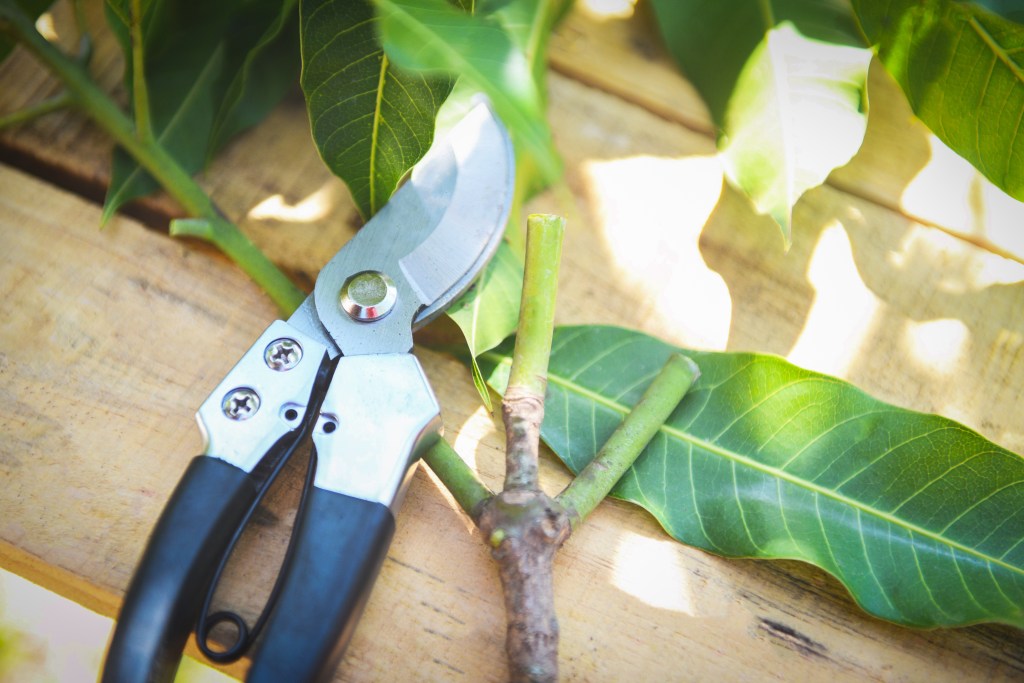
Next, we’ll discuss pruning your shrubs and bushes which is a tedious process that takes a lot of focus, but it is definitely worth it. How many of you have shrubs in your yard that only grow on one side or feel like it is taking forever for it to grow? Well, lack of care could be one of the main issues among others causing this and I get it, most of us have no idea how to prune and may not have ever even heard of it before, but I am giving you the keys to improving the health and your knowledge of your garden.
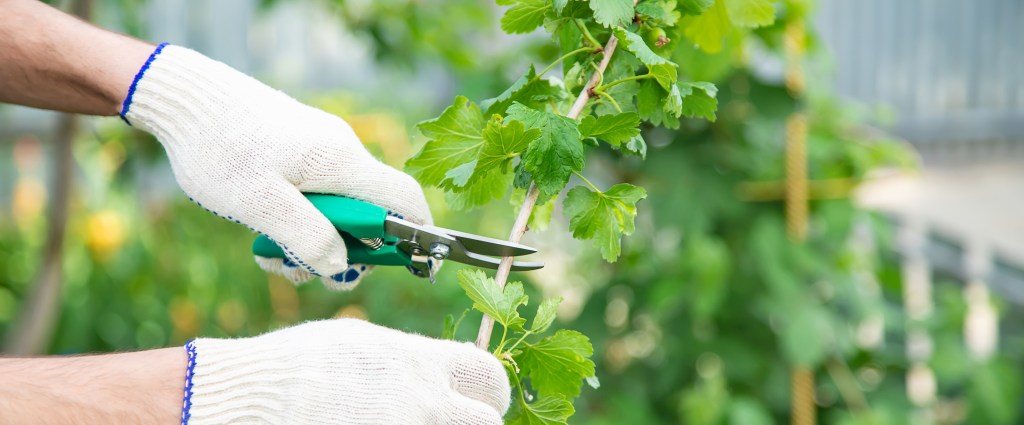
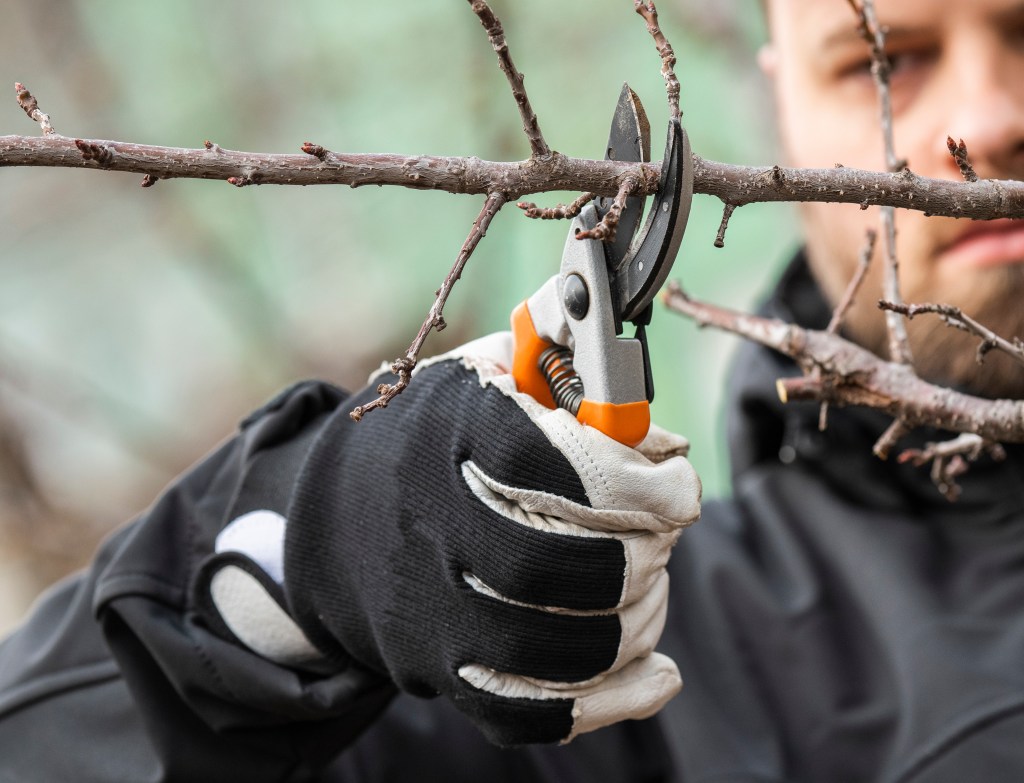
When you trim your shrubs and bushes, look for any branches that are growing in towards the main branch or any other nearby branches. Once identified, cut the top of the branch where you see the first new bud growing on the branch and remember to cut on an angle and not straight across. Continue this process throughout the entire plant until you’ve achieved your desired shape, removing any problematic growth, this also allows for efficient air flow as well. This works well for hydrangeas also, just look for any new buds growing on the stems and cut back your branches to your desired height and shape. If you have any dwarfs in your yard like, evergreens or pine just cut back about an inch or two of foliage depending on how much growth is on the plant at the time of pruning.
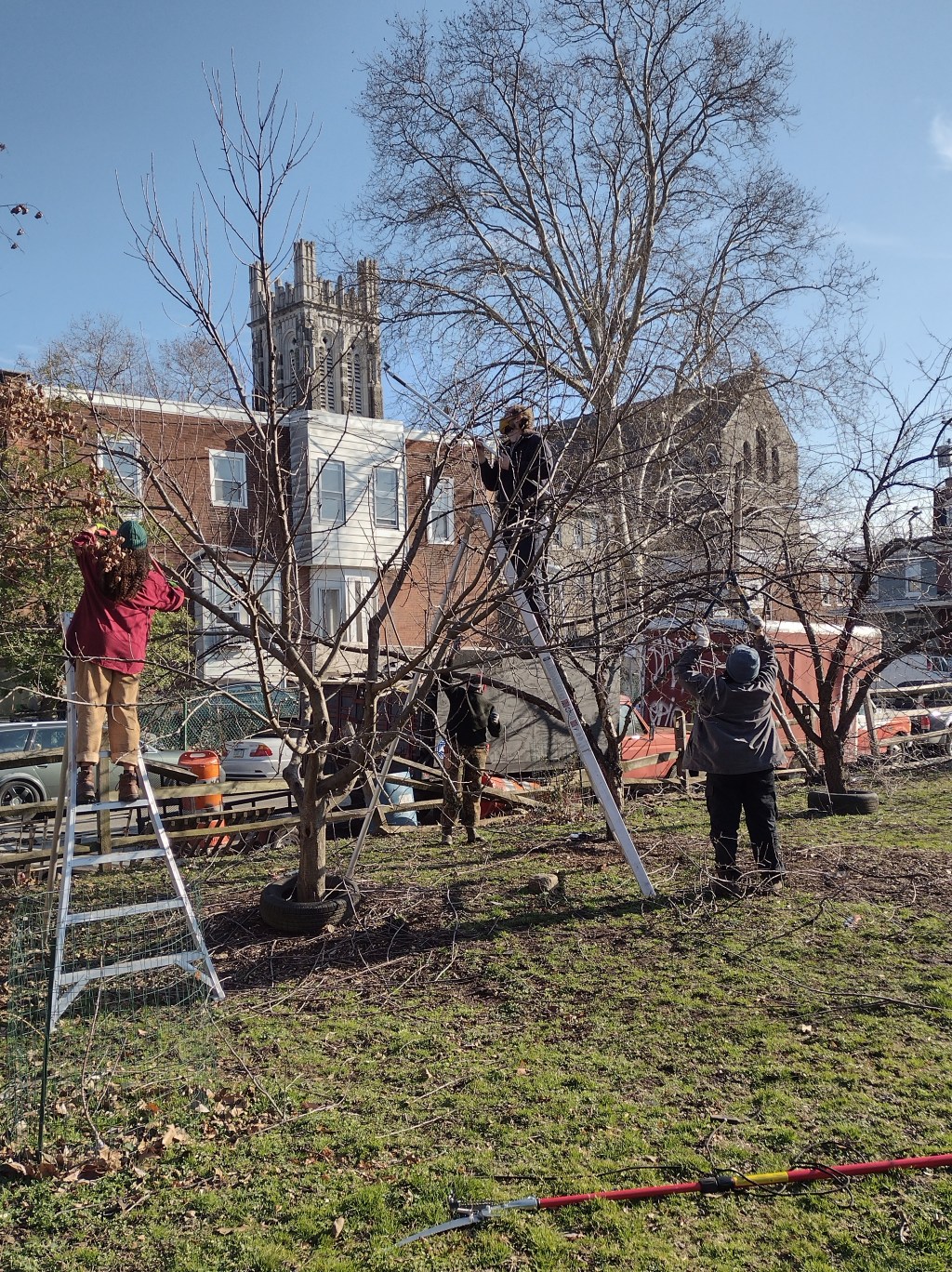
Tree pruning is the most daring because let’s face it, it’s the most dangerous as all pruning can be if not done properly, so again if this is something you’re not confident doing, call the pros. Winter is primetime for tackling trees due to the lack of pests and the chance of spreading disease. When you’re ready, do the same as the shrubs, cut back any branches growing inward or down towards the ground then focus on the branches growing out, cutting down to the new bud forming that is growing on the outside of the branch itself. For branches too high to reach you will need a ladder to reach that high. The objective, is that you the cut the tree in a way that the branches grow outward and not straight up, giving you a nice full and strong tree.
Once you’ve completed all of your winter maintenance do a thorough check of all your scraps, removing any leaves or branches that may have disease on them immediately into the trash and whatever else is leftover, I like to put into my compost breaking down any large pieces before adding them. Remember, only cut on an angle and clean down all of your tools before and after every use with alcohol spray or bleach water keeping your tools nice, clean and disease free. I hope this was helpful to you in your journey to improving your green space feel free to comment below if you have any questions.
Until next time love yourself, love each other and keep growing for a better tomorrow.
https://www.phillyorchards.org/
https://planthardiness.ars.usda.gov/
miketheuniversalartist.com
YouTube: @mikeuniversalartist
 Mike the universal artist
Leave a comment